
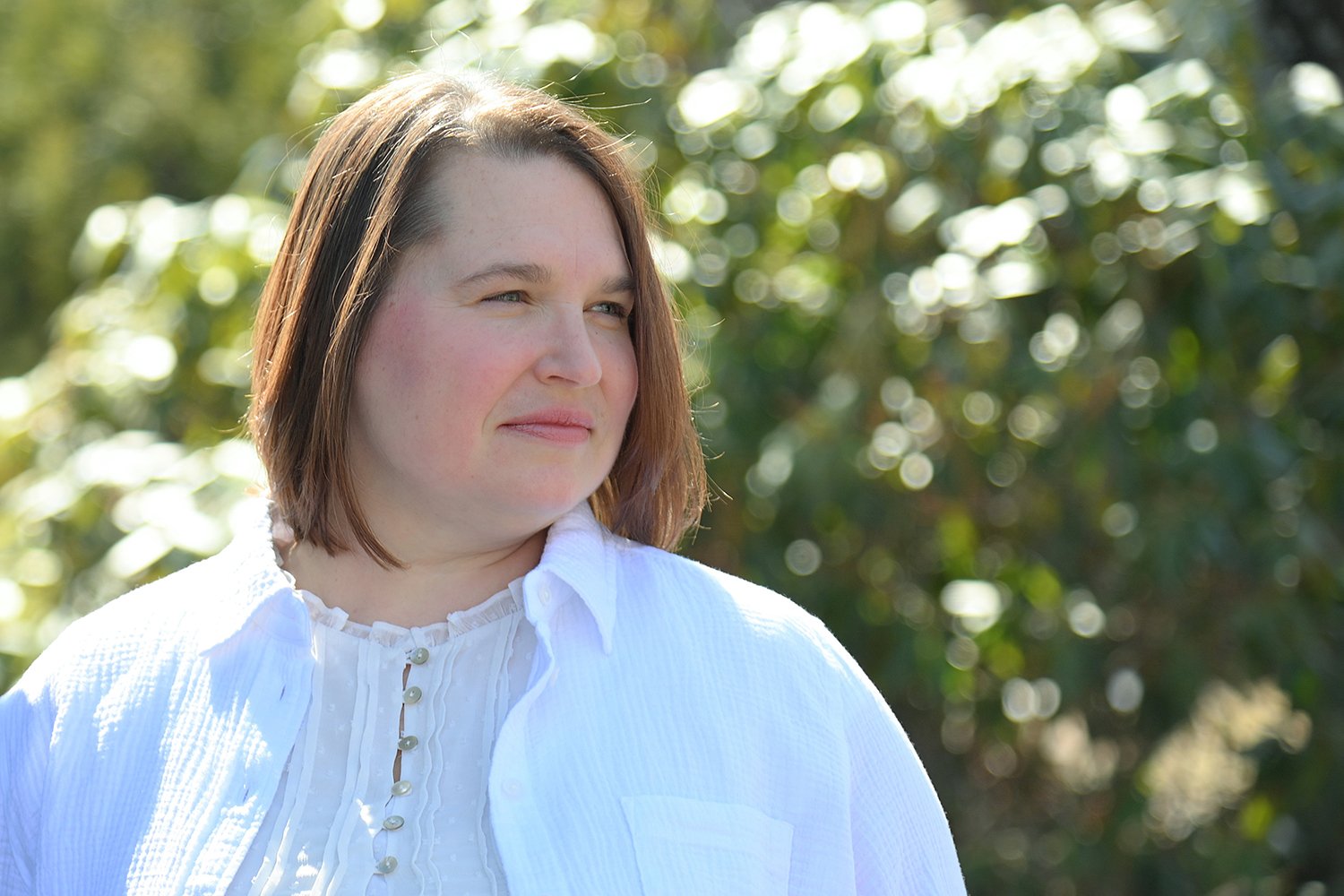
My work as an end-of-life doula grew out of a time in my life that changed how I understand care, mortality, and the conversations we often avoid.
Looking back, I can see how each step led me here.
My journey into deathcare is like a journey to a home inside myself. A homecoming, if you will, to an inner wisdom that is much vaster and deeper than the traditional book knowledge I spent most of my life learning. Like many journeys home, the path was not straightforward, and at the time I didn’t always understand where it was leading me.
In hindsight, I can see that I was listening to a deeper calling.
During the pandemic, it felt as though a curtain had come crashing down on the ways I had been living my life holding truths I was too afraid to look in the eye. I could feel a drumbeat reverberating through me — steady and insistent — cracking something open that had long been waiting.

A longing
for creative expression,
for a deeper connection to spirit and presence,
and for the courage to bring my voice into the room.
At the same time, my brother was walking a path many people fear most: a cancer diagnosis. I watched him endure massive surgeries and give everything he had to recover.
Time and again, I found myself holding space for members of my family as we moved through the uncertainty of treatment and remission. Much of this happened in quiet, one-on-one conversations where raw emotions surfaced and difficult truths were spoken aloud.
At times, my brother’s care preferences were not fully aligned with those giving care. In those moments, I found myself helping ground the circle of support back in the needs and wishes of this extraordinary man - my brother.
Amidst the turbulence and exhaustion of that time, we found our way toward moments of peace, belonging, and reconciliation.

When I read the book Being Mortal by Atul Gawande, it felt like an echo of that inner drumbeat. The questions that had been stirring in me suddenly had language and shape.
Through stories from his work as a physician, Gawande explores how modern medicine has become extraordinarily skilled at extending life, yet often struggles to engage openly with the realities of aging, decline, and death. His writing invites us to consider how care might look different when we place equal attention on what matters most to people as their lives draw toward their natural close.
Inside those pages, something clarified for me. I recognized a calling to help create space for these conversations — to sit with the difficult truth of our own mortality - and the mortality of those we love - with honesty, presence, and compassion.
In many ways, it felt like finding my way home to work I had been moving toward all along, even before I knew its name.
The path that began with these experiences eventually led me to train and practice as an end-of-life doula. Today, my work centers on helping individuals and families navigate the emotional, practical, and spiritual dimensions of dying.
I support people who are facing serious illness, those who are caring for someone they love, and those who simply want to approach the end of life with greater clarity and intention.
I would be honored to support you

ENCOUNTER
Threshold Circle
A shared space to explore mortality, gather in reflection, and connect in community.
PREPARE
Guided Conversations
Advance Care Planning
Guided support to plan ahead, clarify wishes, and open gentle space for what matters most.
PRESENCE
End-of-Life Vigil
Compassionate support at life’s end, bringing calm, steadiness, and presence through the final breaths

COMPANION
Dementia Companion
Elder Companion
Attentive support for elders and those with memory loss, bringing dignity, connection, and ease into daily life.